Caring for Space Creatures
 Orion Skye
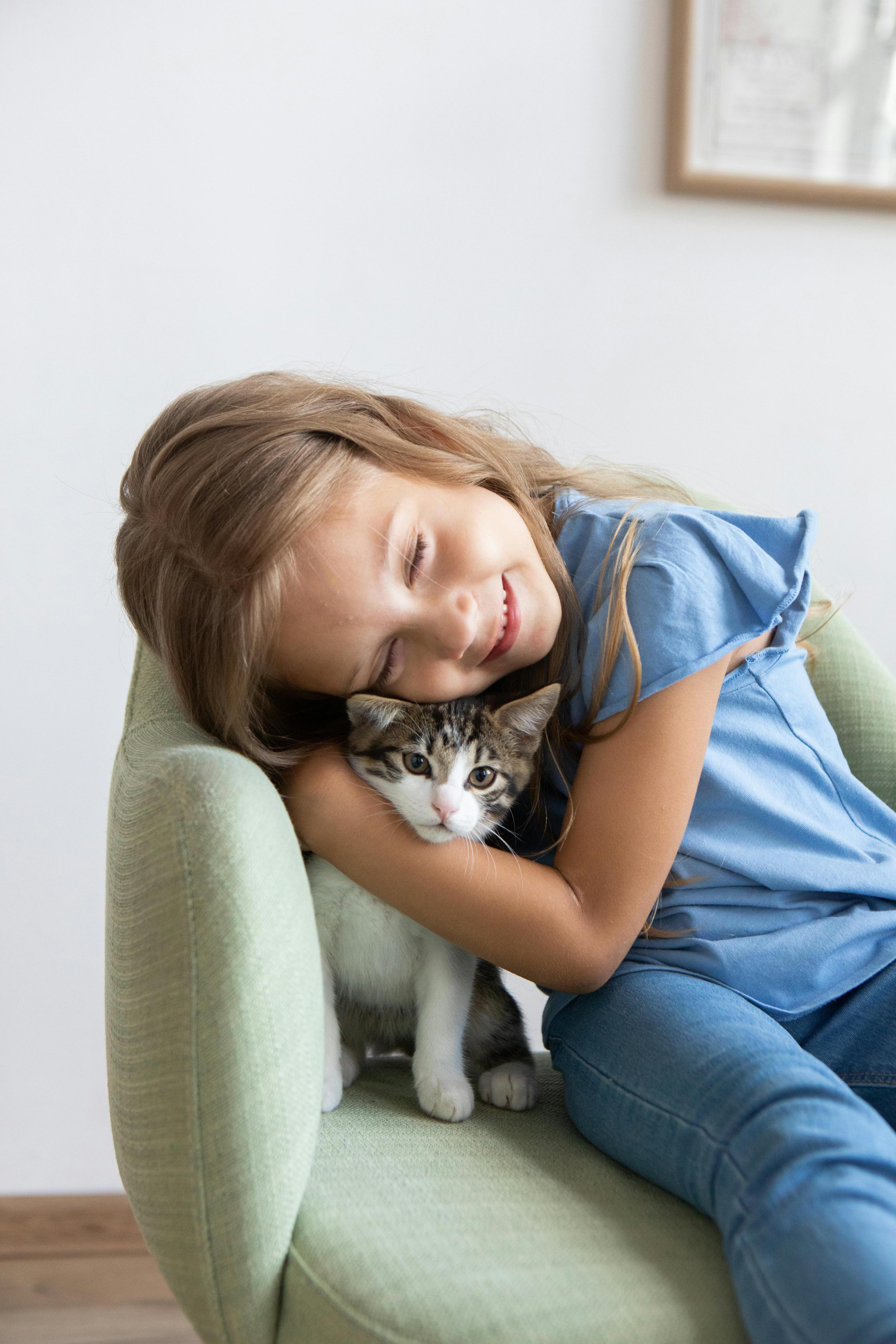
Deep in the Orion Belt, Captain Elara discovered a tiny, fur-covered creature abandoned in a crashed cargo pod. Its eyes flickered with bioluminescent patterns, communicating emotions rather than words. Elara took it aboard her ship, naming it Starwhisker. At first, it struggled with the ship’s artificial gravity, floating awkwardly in midair. However, with patience and a few modifications, Starwhisker adapted. It became the ship’s navigator, sensing space-time distortions before they occurred. But when an unknown entity from the void started calling out to Starwhisker, Elara had to make a difficult choice—keep her newfound friend or return it to its mysterious origins.
Space creatures require special care due to their unique biological and environmental needs. Whether you're caring for a small alien pet or a massive space beast, the key to their well-being lies in understanding their species and how they adapt to the challenges of space travel. Space pets might need customized living spaces, such as gravity-adjusted rooms, specialized food, and oxygen-enriched environments to thrive. Additionally, training your pet to navigate the challenges of deep space—like zero gravity and time dilation—can be a fun yet rewarding challenge. Space creatures are also known for their unique communication methods, so learning how they express their emotions or needs can deepen your bond.
Comments
Great blog! Very informative.